Investing today takes just a few clicks, but have you ever wondered what actually happens behind the scenes? Understanding how financial markets work can help you navigate the world of investing more confidently and make better-informed decisions.
The Stock Exchange: Where Supply Meets Demand
Behind the buying and selling of securities is an organized market that connects buyers with sellers. A key part of this system is the stock exchange, where financial instruments such as stocks, bonds, and exchange-traded funds (ETFs) are traded. Some of the best-known exchanges include the New York Stock Exchange (NYSE), Nasdaq, and the Frankfurt Stock Exchange in Germany. Asset prices are determined by the interaction of supply and demand. When buying interest increases, prices may rise, while stronger selling pressure can push them lower. Stock exchanges also establish trading rules and promote transparency in financial markets.
The Broker as an Intermediary Between Investors and the Market
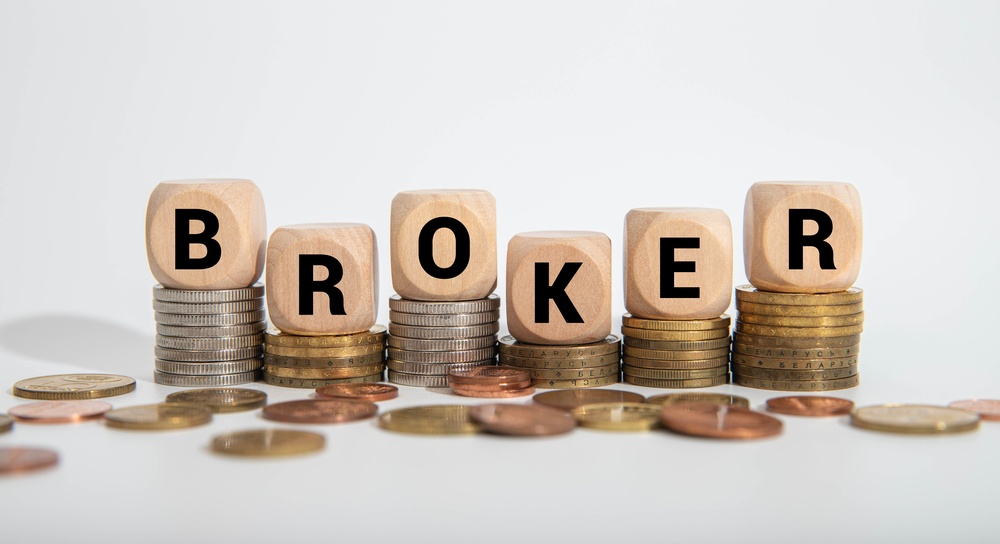
However, the existence of a stock exchange does not mean that everyone can trade on it directly. Individual investors therefore use brokers to gain access to financial markets. Through a broker's online platform or mobile application, they can buy and sell securities, monitor price movements, and manage their portfolios. Brokers process and execute trading orders and often provide analytical tools or educational resources. While stock exchanges provide the environment for trading, brokers enable investors to access the opportunities available in these markets.
What Happens After You Click "Buy"?
What does this process look like in practice? Imagine an investor who wants to purchase Apple shares. Through a broker's application, they place a buy order specifying the number of shares and, if applicable, the maximum price they are willing to pay. The broker processes the order and routes it to a stock exchange or another trading venue. If a matching counterparty is found, the trade is executed and the investor receives confirmation. Settlement then follows, completing the transfer of securities and funds. While trade execution may take only a fraction of a second, settlement occurs later according to the rules of the relevant market (if you would like to learn more about the different types of trading orders and when to use them, read our previous article).
Not Every Trade Takes Place on a Stock Exchange
Not all transactions take place on traditional stock exchanges. Some are executed through alternative trading venues or over-the-counter (OTC) markets. The execution method depends on the specific financial product and the broker's policies. Investors should therefore understand the differences between financial instruments. When purchasing an actual share, an investor acquires an ownership stake in a company, while investing in an ETF provides ownership of units or shares in a fund. By contrast, when trading contracts for difference (CFDs), investors do not own the underlying asset but speculate on its price movements. CFDs also frequently involve leverage, which can magnify both gains and losses.
How Brokers Make Money and What Fees Investors Pay
Differences between investment products can also affect trading costs. Brokers may charge commissions, currency conversion fees, or account maintenance fees. A less visible cost is the spread, which represents the difference between the buying and selling prices of a financial instrument. Even commission-free trading may not be entirely free, as brokers can generate revenue from other services. When choosing a platform, investors should therefore consider the total cost of investing. Even small fees can accumulate over time through regular investing and reduce overall returns.
Investment Security and the Importance of Regulation
In addition to costs, protecting invested assets is equally important. Financial markets are supervised by regulatory authorities, including the National Bank of Slovakia (NBS) at the national level and the European Securities and Markets Authority (ESMA) at the European level. Regulated brokers must comply with client asset protection rules, including keeping client assets separate from their own. If a broker fails, investor compensation schemes may provide protection under certain conditions. However, regulation does not eliminate investment risk. If the value of stocks or ETFs declines due to market movements, investors are not guaranteed compensation for those losses.
How to Choose the Right Broker
Understanding these principles can make it easier to choose a suitable broker. Key considerations include reliability, regulatory oversight, transparent fees, and access to the desired financial instruments. Access to US and European markets, platform usability, and customer support quality are also important. However, there is no single best broker for everyone. Long-term investors may prefer a straightforward platform with low costs for regular purchases, while active traders may prioritize advanced analytical tools and a wider range of trading features. The choice should therefore reflect individual needs and investment objectives.
The Stock Exchange and Broker as Parts of One Investment Process
Stock exchanges and brokers are two distinct but interconnected components of financial markets. Their roles demonstrate that even a simple share purchase involves several processes that investors should understand at least at a basic level. Choosing a trustworthy broker is an important step, but successful investing also depends on a well-considered strategy, risk management, and commitment to long-term goals. Combining this knowledge helps investors make more informed financial decisions.
For more investment trends and useful tips, explore our previous articles on AxilAcademy.

He has been trading in the capital markets since 2002, when he started as a commodity Futures trader. Gradually he shifted his focus to equity markets, where he worked for many years with securities traders in Slovakia and the Czech Republic. He also has trading experience in markets focused on leveraged products such as Forex and CFDs, and his current new challenge is cryptocurrency trading.